The energy question – Australia’s economy needs a rethink about where industry fits into the energy system
The Iran conflict is exposing deep problems in Australia - we’re too dependent on imported fuels, and our energy-industrial system doesn’t support the economy
Armed conflict doesn’t only involve militaries fighting. It draws in families and societies, it involves other countries, and it has ripple effects throughout many economies.
The Iran conflict started with military strikes, spread to Israel and some Gulf States, but from Australia’s perspective the conflict settled on the Strait of Hormuz and the ability of oil tankers to leave the Persian Gulf and deliver petroleum.
With most tankers not moving through the Strait, the prices of diesel and petrol are rising, in some cases more than 100% in four weeks. But while the main concern is the price itself of petroleum products, the Iran conflict is exposing deeper problems in the Australian economy.
In short, we’re too dependent on imported fuels, we rely too heavily on imported materials, our domestic industrial base doesn’t make crucial products, and our energy-industrial system doesn’t support the economy. And with the fire at the Geelong refinery steeply reducing its output, we can expect to see further weaknesses in our domestic energy system.
The Energy Question
To start with the last point, energy is an input in every Australian product. From farms to mines and from factories to office blocks, we need energy. It doesn’t matter if it comes in the form of oil, gas, coal, sun or wind, domestic industry and agriculture needs energy to make the products sold to Australians and the world.
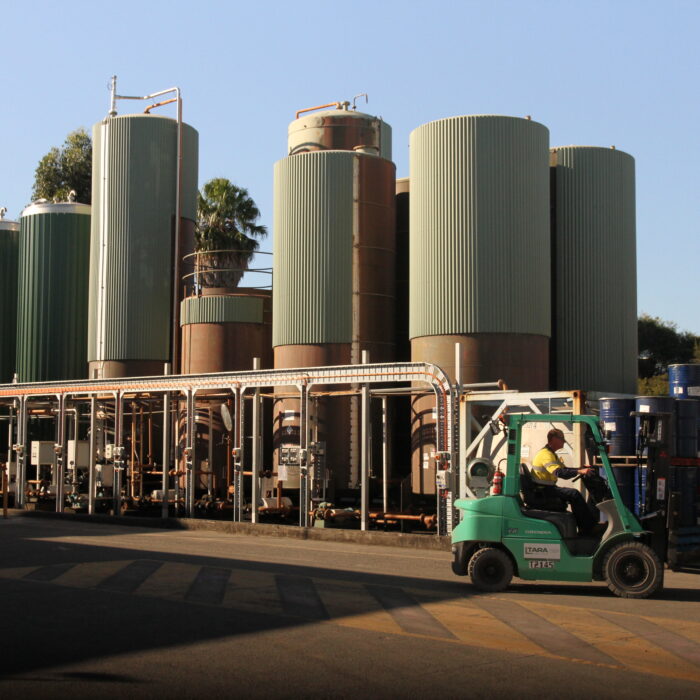
So we find ourselves in a situation where we’re down to two oil refineries, we don’t refine our own oil, service stations are running out of petrol and diesel, and we’re looking at natural gas shortages on the East Coast being felt in 2030. This suggests to me a lack of energy planning and perhaps a disinterest in the Australian industrial sector.
The immediate energy problem is triggered by an armed conflict and it shows up in massive price increases in diesel and unleaded petrol.
These costs cannot be avoided in industry because every item that goes into a manufacturer’s product is trucked, trained or couriered to the factory. As it costs more to have inputs delivered, the prices must go up. Commercial shipping mainly uses heavy fuel oil and marine diesel (sometimes LNG) which means that even the ships that don’t have to pass through the Strait of Hormuz are now more expensive to run, so the price of freight rises.
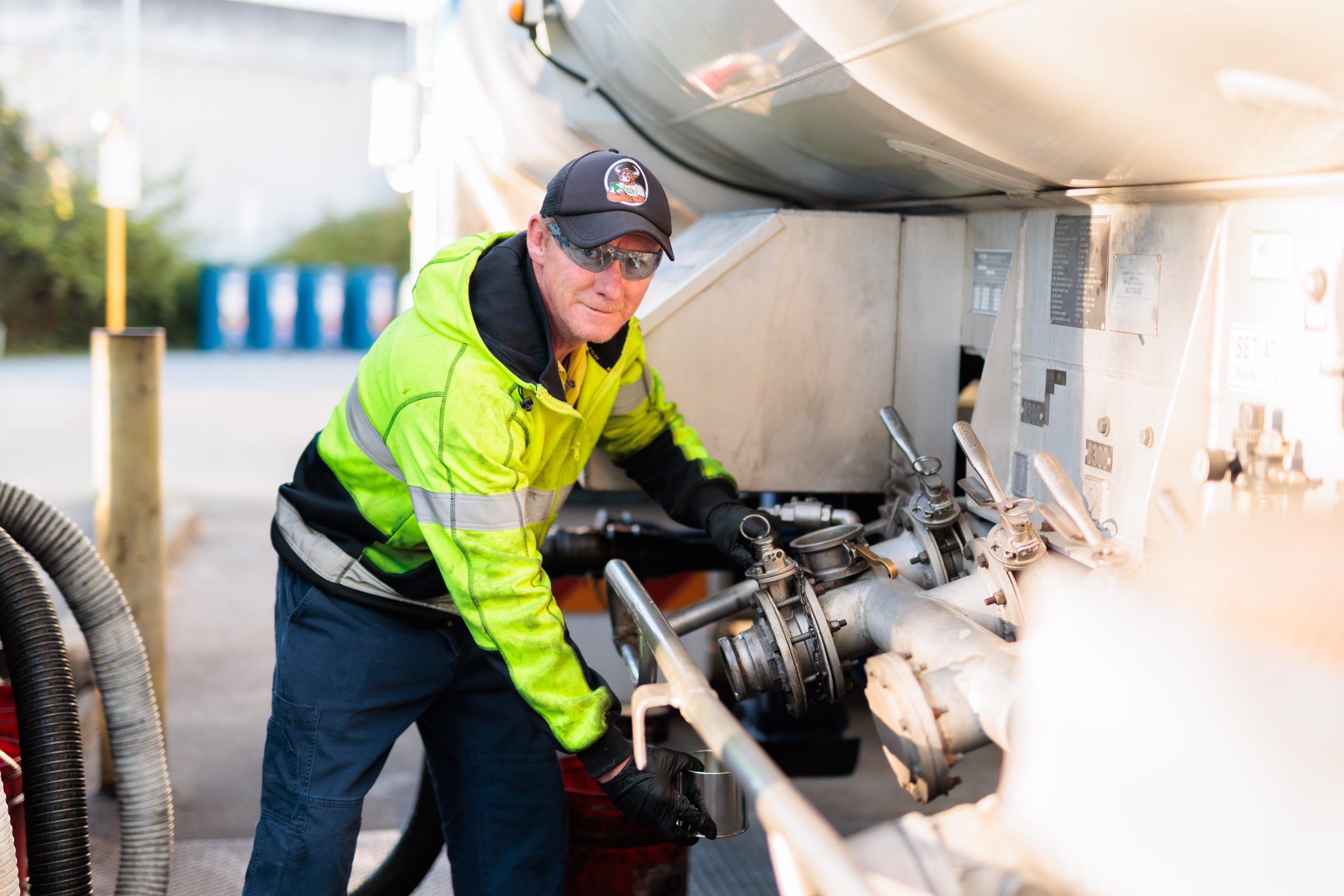
This is before we count the cost of working. At Harrison Group we employ 170 people, the majority of whom drive to our work sites. They are currently paying between $1 and $1.50 more per litre for petrol or diesel which means they are paying more to go to work, especially those who travel long distances for their job.
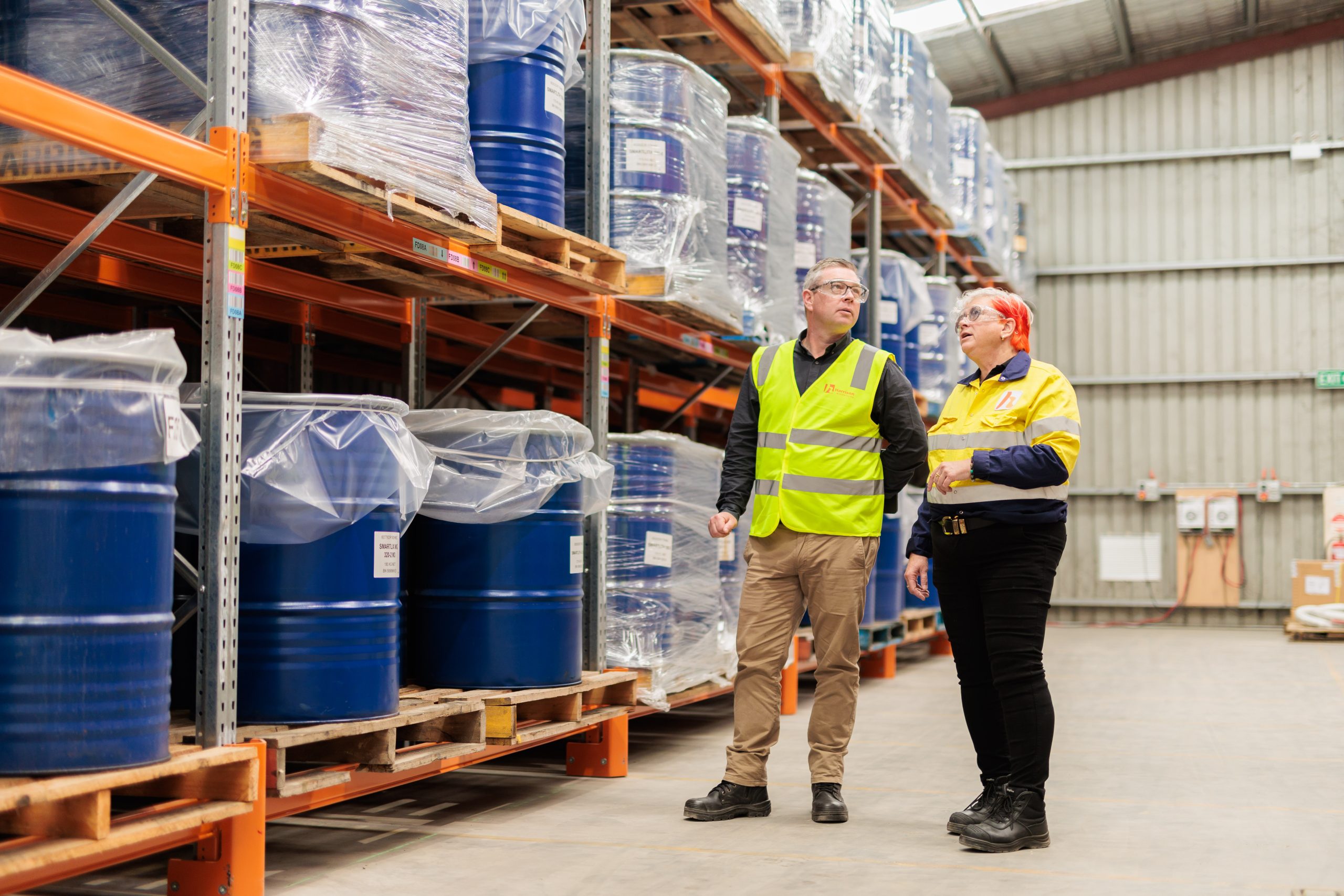
Then there’s the petroleum-focused inputs we buy, including base oil for our greases, materials for our additives, the oil-sourced plastics and resins that we use, and the sulphur which is a product of oil refining. Even our packaging is sourced from petroleum.
The prices of these basics all rise with the price of oil and they all feed into the price of the products we sell. Harrison Manufacturing is a microcosm of a large ecosystem: the upward cascade effect of energy re-pricing is felt across all industry, especially in the sectors that make things, which are manufacturing, agriculture and construction.
Demand Destruction
As we deal with an oil shock it should also be remembered that AEMO is predicting natural gas shortages in 2030, rather than 2029 as once forecast. And one of the reasons that shortages are being pushed out by one year is what used to be called ‘demand destruction’ ie. the reduction in demand for something by making it too expensive or inaccessible. As AEMO said in its Gas Statement of Opportunities March 2026:
Risks to gas adequacy are now projected to occur one year later, as declines in residential, commercial and industrial gas consumption are projected to continue
And while it wasn’t widely reported by the media, the AEMO Statement also admits this:
Overall, while gas infrastructure projects presently identified as committed and anticipated projects help maintain short-term adequacy, they are not yet sufficient to provide a complete long-term solution.
This is particularly worrying for industries such as ours, where capacity planning is a key feature of viability and where energy costs and availability is a crucial planning input.
The lack of a “long-term solution” for the East Coast gas supply is serious because many of our thermal processes are not easily or cheaply transitioned to electricity. It is a worry for farmers who rely on fertilisers sourced from natural gas as a feedstock, and it could be business-ending for the chemical manufacturers who use gas for both feedstock and thermal processes to make their products.
Some industrial processes can be transitioned to electricity – many can’t. And some of those that use electricity, such as aluminium smelting, require such loads of electricity that the taxpayer has to step in to meet their power bills, as is happening at Tomago (NSW) and Boyne (Qld).
Industry participants don’t just worry about energy as an input cost – we also have to manage output. That means putting a price on products that doesn’t just make the business economically sustainable, but also ensures demand is maintained at those rising prices. You can raise prices as much as you like, but if you destroy demand, you erode revenues.
In other words, an uncertain energy system affects the entire economy, from input costs, to planning, from employee stress to sales.
Planning Is Key
As with all crises, there could be silver linings. We’ve been developing bio-grease alternatives to the traditional greases made from base oils. They are effective and some large customers in the mining industry are using them to reduce their carbon footprints. However, there isn’t enough plant matter to fully transition to bio-grease, without humans going hungry.
The energy system is subject to evolution, not revolution, which means industry is also evolving.
The media and politicians have been casting about for answers to the Iran conflict, but the main game should be questions: do we want heavy industry in Australia? Is there a priority list of products that should be made locally? Does Australia have an energy strategy that includes industry and agriculture?
Answers are important in the moment, but questions allow you to plan for the future. Australia needs a plan and that means starting with inquiry: what do we want to be and how are we going to get there?