Greasing the wheels of global commerce means having the lubricants to do it
Greases and other lubricants are not a visible or glamourous part of the global economy, but they literally keep the wheels of industry turning, and if they weren’t available, the entire supply chain would dry up almost overnight.
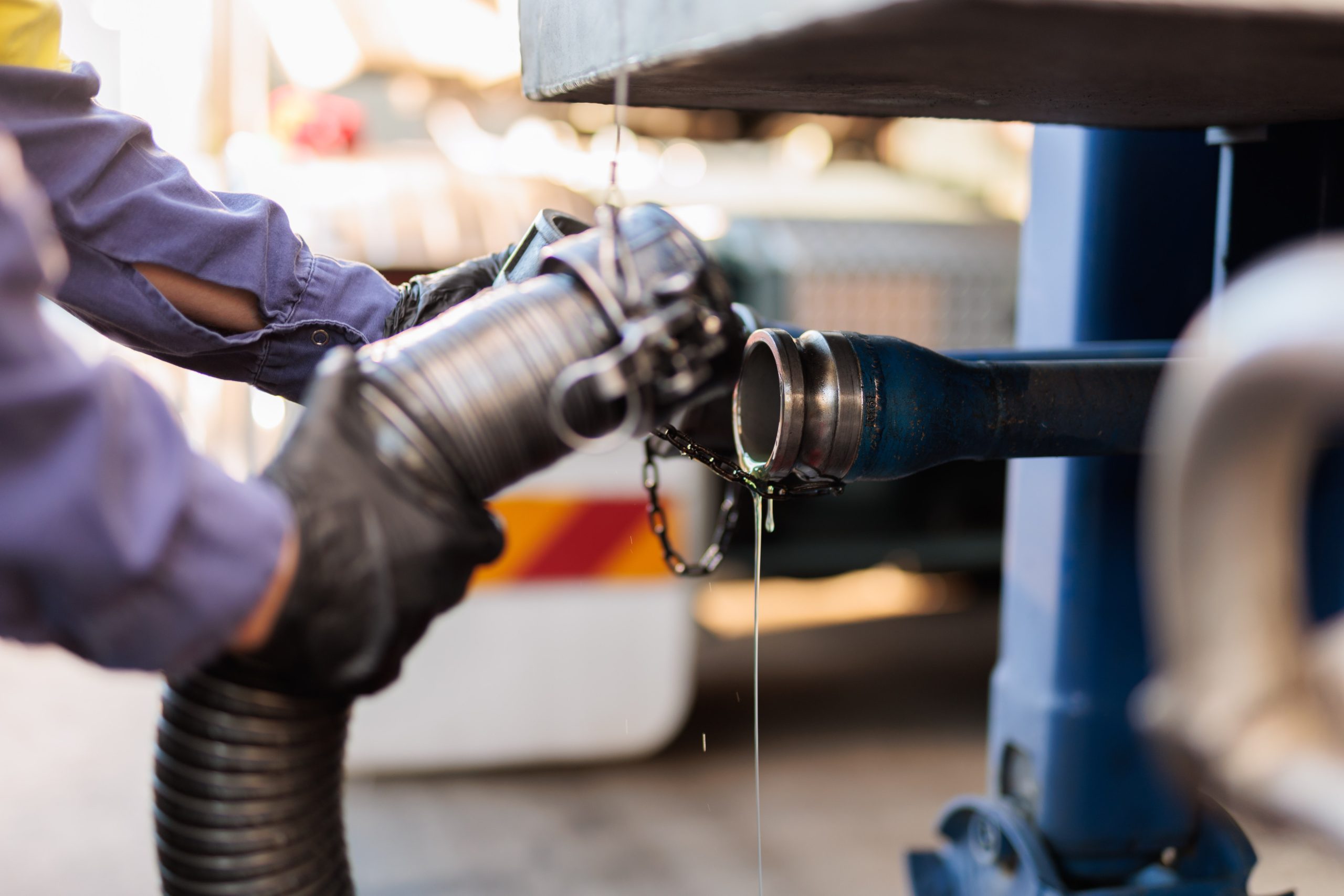
Many Australians understand global commerce from the perspective of products and services, their price and utility. So, even when geopolitical events erupt, they are often discussed as a price issue.
Over the past two months, millions of people have glimpsed the globalised industry of liquid fuels as the conflict in the Persian Gulf unfolds. But besides the immediate issue of retail prices at the bowser is another petroleum segment that affects just about every Australian industry: lubricants and greases.
Interlocking Lubricants
There are many interlocking industries in our globalised world that are always working, and they can only do that with lubricants. Transport, shipping, mining, rail, oil & gas, construction and civil works are the obvious ones. Greases and other lubricants are not a visible or glamourous part of the global economy, but they literally keep the wheels of industry turning and if they weren’t available, the entire supply chain would dry up almost overnight.
Take a key industry in Australia’s economy: mining. Mining uses trucks, bulldozers, draglines and excavators to extract minerals. They produce on large scales in 24-hour operations and the millions of dollars’ worth of machinery have to perform to certain output benchmarks and to maximum measures of downtime. The owners of this machinery can only achieve the performance they need by relying on the availability, consistency and reliability of lubricants that protect critical assets.
Grease and Base Oil
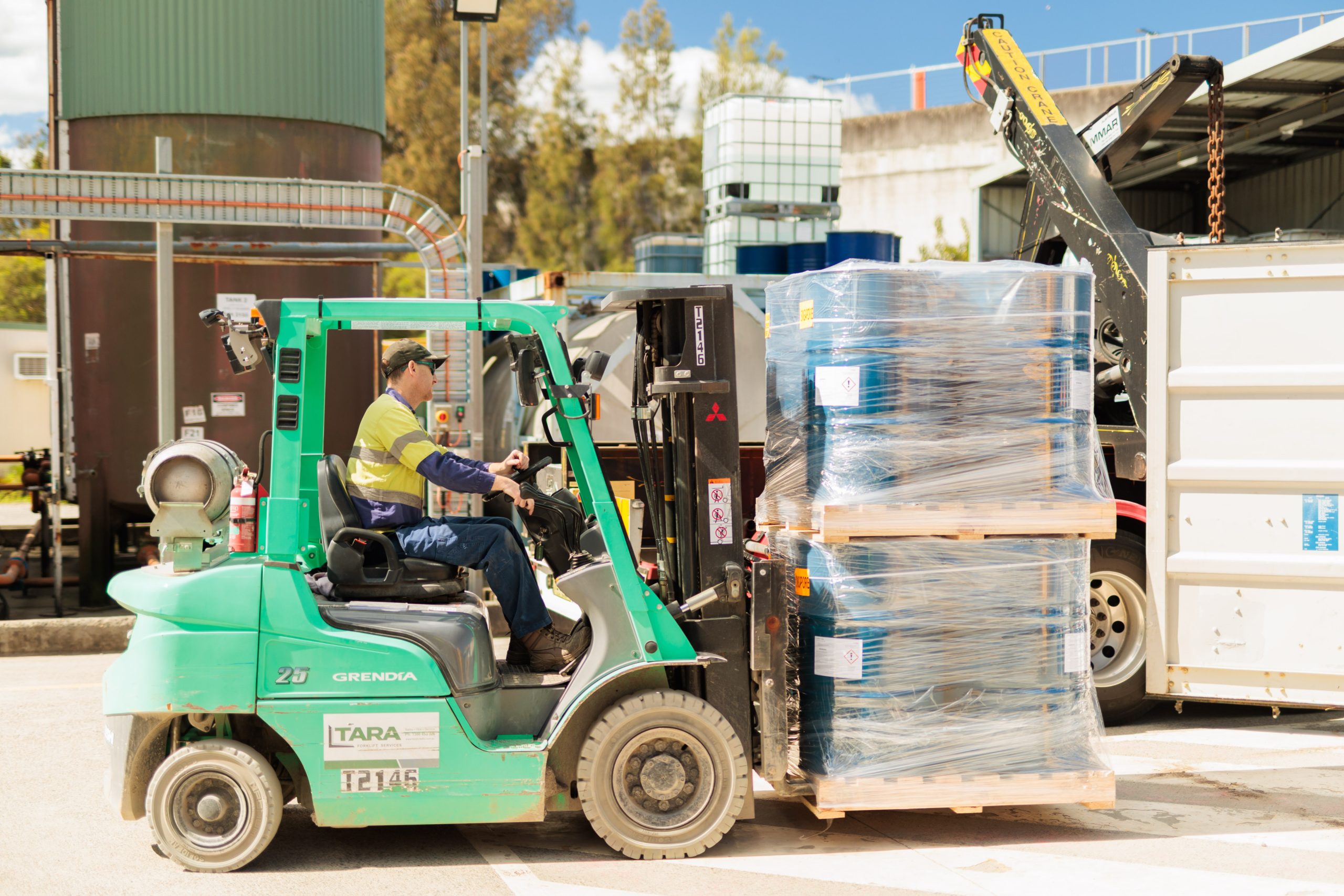
Grease is made primarily from base oils and additives. Base oils come from crude oil that are refined at certain oil refineries, and they are part of the petroleum supply chain we have all been affected by. They sit a few layers down the petroleum supply chain, and they are not as obvious as diesel, petrol and aviation fuel, which hit consumers head-on. But base oils and additives underpin every grease product that keeps the mining functions – draglines, shovels, mills, bearings and conveyors – operating under extreme load.
When supply of base oil tightens, the warning signs are rarely dramatic. They arrive as allocations, delayed deliveries, reformulation pressure and fewer real choices. They don’t show up on the front pages, but they create shortages of grease and increase operational risk in crucial industries.
Specified
In the heavy machine-using sectors of mining, construction, freight transport and civil engineering, lubricants are not interchangeable consumables. They are engineered inputs selected for specific duty cycles and failure modes, and if they are not available the machines are either not operated or operated under increased risk.
The largest original equipment manufacturers (OEMs) – such as Caterpillar, John Deere, Komatsu, Liebherr, etc., specify greases for distinct functions on the same piece of equipment. This reflects different loads, heat and pressure that are experienced in that part of the machine.
When owners are forced to make grease substitutions, or there is uncertainty around supply, this introduces a risk to assets, safety and production continuity. And when equipment owners decide to use a substitute grease because they can’t get the OEM’s recommended product, the risk shows up as voided warranties, breakdowns, equipment damage and shortened maintenance cycles.
All of these grease and lubricant-constricted scenarios turn up as reduced productivity and cost blow-outs on machines, labour and parts.
Diversify
That’s why supply chain resilience has moved well beyond procurement. In mining, having the right lubricants and greases is an operational requirement and increasingly having diversified and/or replacement supply channels is something customers expect grease suppliers to have addressed before conditions tighten.
It’s certainly something we plan for, always using at least two supply channels to ensure we are not caught out when conditions tighten.
From what I see working with mining customers, those companies in the best position as tensions drag on in the Persian Gulf are the one who are very deliberate:
- They diversify critical inputs early, not during disruption. Like us, a diversified supply chain is a component of their risk management
- They invest in formulation capability, not just commercial leverage. That is, they stay close to grease and lubricant suppliers who can adapt products to emerging mining functions
- They prioritise continuity and transparency over short‑term price wins. They work on supply partnerships rather than short-term transactional deals
- They choose suppliers who understand the consequences when lubrication fails. By prioritising a partner approach, they foster supply relationships that are long-term and outcome-based
Volatility isn’t going away. The Persian Gulf crisis is a dramatic eruption of forces that show themselves often in the global supply chains, where they show up in commodity shortages, increased insurance and freight charges, stalled customs, obstructionist regulatory processes and industrial relations problems. Volatility is always with us, it just sometimes becomes volcanic.
The real question for mining leaders is not if there is volatility in the petroleum supply chains. It’s whether lubricant continuity is treated with the same seriousness as any other critical input… or only noticed when it becomes a problem.
My advice: get ahead of the risk, diversify suppliers, form relationships up the chain and treat grease and lubricants as a strategic input.