The government wants a new fuel system – what are the opportunities and what are the limits?
After a period of petroleum supply chain disruption at the Strait of Hormuz, and subsequent rises in the price of petrol, diesel and aviation fuel, the federal government is looking at a re-ordering of how we do liquid fuels in this country. The Department of Climate Change, Energy, the Environment and Water (DCCEEW) has two…
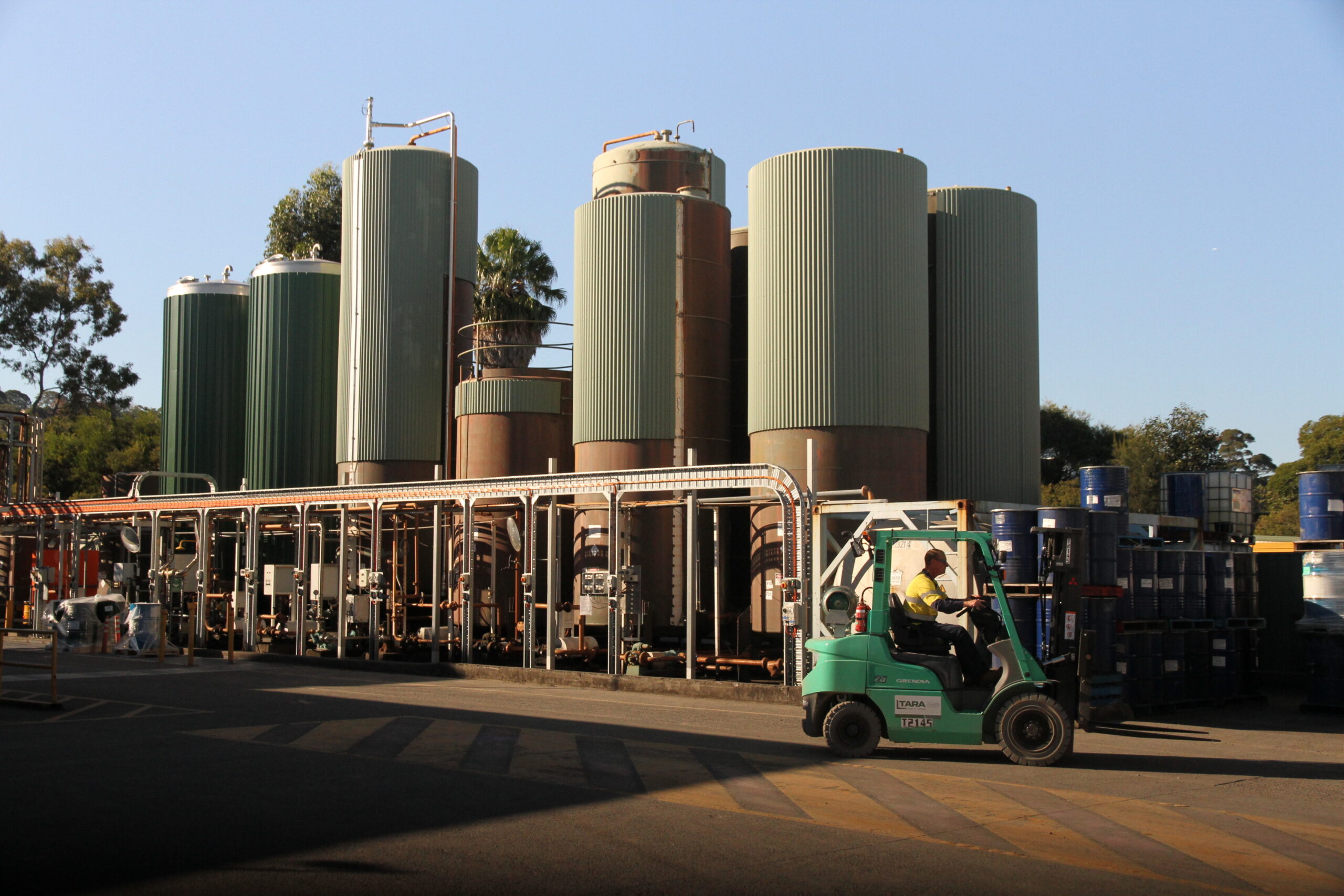
After a period of petroleum supply chain disruption at the Strait of Hormuz, and subsequent rises in the price of petrol, diesel and aviation fuel, the federal government is looking at a re-ordering of how we do liquid fuels in this country.
The Department of Climate Change, Energy, the Environment and Water (DCCEEW) has two consultation papers that ask for submissions.
The Fuel Security and Resilience Package props up our ongoing supply concerns, by increasing the strategic fuel reserve levels, increasing the mandated minimum storage obligations (MSO) on fuel distributors, and to target support to ensure that Australia’s two remaining oil refineries can operate into the 2030s.
Securing Australia’s Cleaner Fuels Industry is a consultation paper that asks for submissions on how a demand mechanism could work to ensure the distributors of liquid fuels would include biofuels and synthetic fuels in the supply chain.
To put it simply, the Fuel Security document is a plan to bolster what we do already, ensuring we have the stockpiles to meet our national energy demand, and that we retain some capacity to refine our own oil. The Cleaner Fuels document is focused on an alternative to petroleum products – Low Carbon Liquid Fuels (LCLF) – by leveraging organic waste materials or new synthetics.
It’s worth noting that the push for LCLFs began two decades ago when the Howard government in 2005 brought in the Fuel Quality Information Standard (Ethanol) Determination, which introduced the national standard of E10 fuel to servos. E10 was 10% ethanol, blended with unleaded petrol. The ethanol was made from agricultural waste such as the starch left over from flour milling, and New South Wales and Queensland were the territories that mandated that service stations stock it.
One of the cleaner fuel products from the Howard era was D5, a diesel fuel that contained 5% biodiesel. However, that product failed to take off.
Recently, there have been two other LCLF proposals: in 2024, the Low Carbon Liquid Fuels (LCLF) Consultation Paper, and the 2025 National Bioenergy Feedstock Strategy – Discussion Paper. They both canvas alternative liquid fuels.
I am in favour of both self-sufficiency initiatives in our energy supply, and I also support low carbon alternatives. In fact, our company – Harrison Group – is involved in developing bio and synthetic alternatives to many elements of the energy supply chain.
However, I’m also a fan of rigorous capacity planning both at an enterprise and a national economy level. So I’d rather start with what the national economy (businesses and households) needs, and work back from there.
I’m also in favour of monitoring economic and operational signals from industry. I note that the main focus of the Cleaner Fuels is the development of what they call a “demand mechanism”. That means there is no demand from industry or households, and the mechanism will be in the nature of a mandate ie. all petrol, diesel and aviation fuel must contain a certain amount of biofuel.
If this is how we make ourselves more self-sufficient in our liquid fuels, then let’s explore the opportunities. But we also have to hear why there is no demand, and/or what the strong opposition might be to LCLFs.
This is a chance to set a new course but we have to know the downside before we start.