Informal Talk: real conversations can close the gap between executive expectations and employee performance
People are complex, and they are not machines. If you want to lead effectively, learn to do small talk and big listening.

The corporate strategic plan is crucial in a business because it sets the overall goals and allocates targets and KPIs to individuals and teams, within the context of a budget. However, even the most perfectly rendered strategic plan relies on the support of all the employees in the organisation, which means creating a connection between senior management and each layer of the company, specifically those directly involved in making the goods and creating the services.
A lot of thought has been given to the vertical success of strategic planning: you can’t let the plan – having been formed in our case by over 50% of the company – become primarily a theoretical exercise, and you also don’t want to over-emphasise ‘employee agency’ because you run the risk of the strategic plan no longer really being a plan. While encouraging initiative and ownership is crucial, it must be balanced with structured decision-making, clear objectives, and a collaborative framework to prevent chaos and maintain overall business success.
A Strategic Tool
There is a sweet-spot, in my opinion. You can write a strategic plan that is embraced and followed by all layers of the business, while retaining its status as a strategic tool. One of the most effective ways of doing this is for senior managers to seek out informal chats with employees. This is how we generate honest and practical feedback to the strategic plan, rather than simply having employees tick the boxes that they know their managers want them to tick. If you don’t have that quality of informal feedback from everyone in the organisation, then I question how effective your strategic planning can ever become. Allowing people to conversationally talk about their jobs and their opinions, is where you get the gems that allow you to alter and strengthen the plan.
Informally chatting with employees is not the natural domain of most senior managers. Here’s some ideas to get it going.

Small Business
I believe the size of your organisation affects your ability to generate informal conversations. In a small or medium-sized enterprise, it’s more natural to speak with employees, easier to remember their names, and there’s usually a better sense of community than in a large corporation. These factors make informal communication – real conversations – effective. So senior leaders of a small-medium organisations really have no excuses when it comes to informal chats with employees. They are usually right there in front of you, and this is one area in which an SME has an advantage over large corporations. Use it.
Small Talk, Big Ideas
Small talk needn’t be silly or facile. An informal discussion with an employee can be about their role, or the performance of their unit in the organisation and against the KPIs of the strategic plan. A chat can start here, however, beyond results or KPIs – which you probably already knew – you want to ask about them and their ideas, particularly as they see the challenges and opportunities firsthand in their day-to-day activities. It’s also a valuable avenue to learn more about them and their lives – who knows what you’ll discover? Conversations reveal details that can make for happier employees and successful businesses.
Walkabout
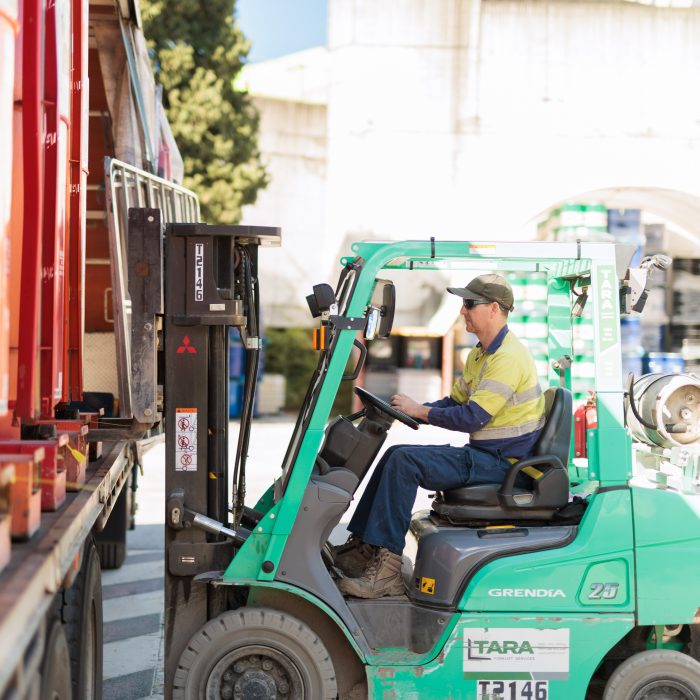
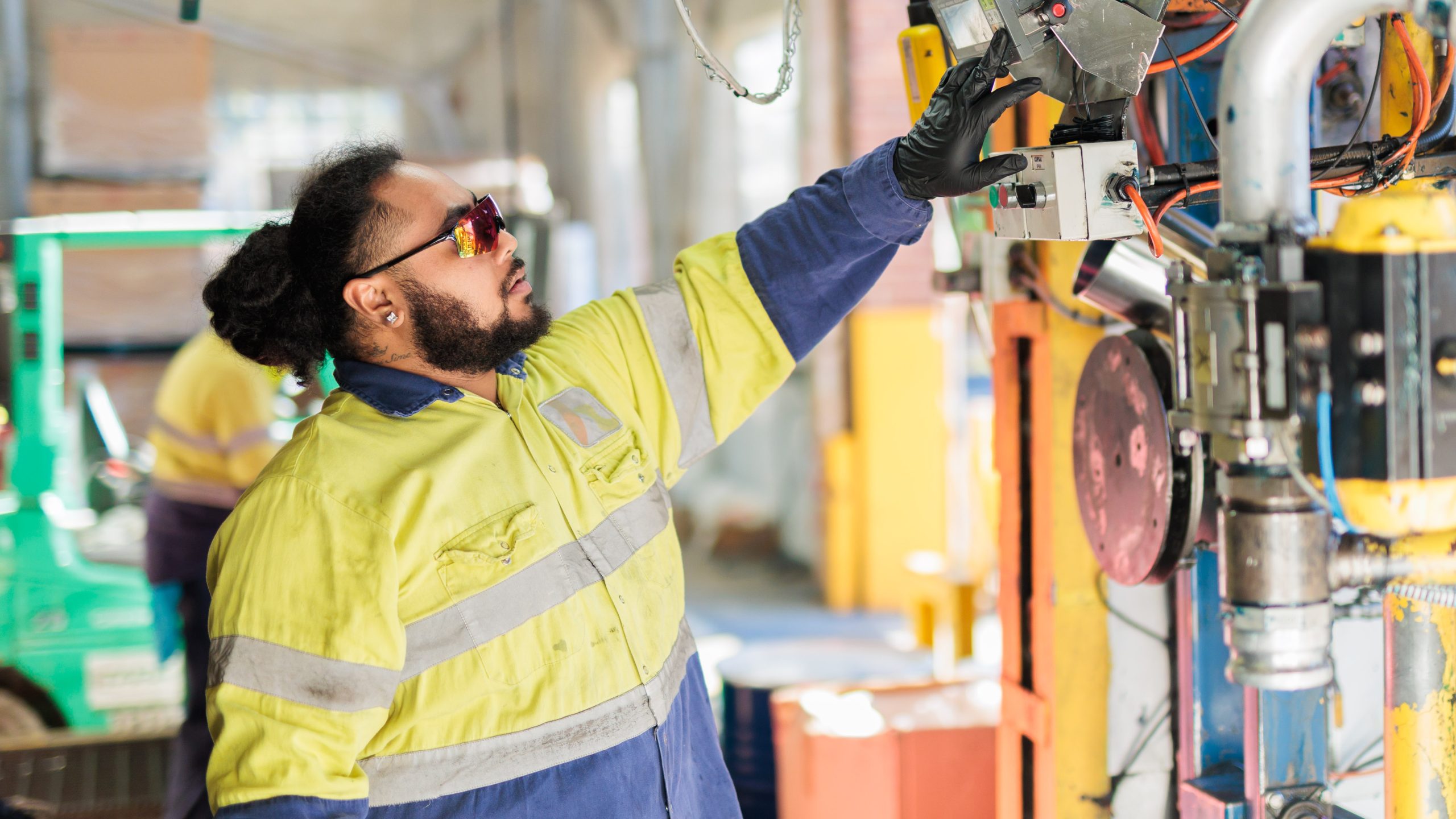
I suggest that senior leaders make time to walk around the key activity area in the business, at least once a week, if not daily. Give yourself enough time – don’t be in a rush or be looking at your watch. Walk around the floor, talking with people and learning about what’s going on. If employees think you’re engaged in what they’re saying, you’re more likely to have open, honest conversations. Some of the best insights I develop at our business comes from walking around the operational areas, and allowing employees to share interesting information and ideas.

Weekly Meetings
Along with walkabouts and small talk, informal chats can also be scheduled. In fact, if you do it this way, then you’re locking yourself into doing it, not allowing it to go on the backburner. I like to schedule meetings with employees and managers. The chat can start with structure – since every employee is subject to KPIs – but then let it drift into other matters of a more personal or creative nature.
Whole Person
Senior managers tell employees that they can bring their whole selves to the workplace, but then they ignore the parts that don’t contribute to the bottom line. When you work in a business that has this culture, you can feel the cynicism and disengagement. One very effective way to address the whole person of the employee – and to make it genuine – is through informal chats. If a manager is having problems bridging the gap, I tell them to try starting a conversation with questions such as, ‘How are you?’ or ‘What’s happening in your life?’ It’s a simple technique that we all understand: it’s called ‘conversation’. When you start with genuine inquiries, the whole person starts to open up, and that’s where you get to see the full value of this person. It’s also when you get proper feedback to what could otherwise be a top-down strategic planning exercise.
Use Your Ears
You know the drill: you have one mouth but two ears. Employees are used to managers talking – I tell managers at my business to flip the script and do some listening. Listening is not ‘touchy feely’ and it doesn’t have to be therapeutic, like counselling. Listening is a powerful tool that helps us learn and improve, and helps us build relationships and trust. It’s also worth remembering that no one expects you to be an all-knowing guru, just because you’re a manager. If you make it clear that you can listen, your employees will speak and what you learn might surprise you.
Insist On Camera
Because of the way the workplace is now structured, you’re likely to have informal meetings and ‘catch ups’ over the Teams or Zoom screens. My “request” is that everyone must have camera-on in these screen-based meetings. If we’re going to build teams, we have to know one another, and we can’t do that when people are not physically present or engaged in the conversation. Try insisting on this and you might find that non-contributors start offering more – you might be doing them a favour while also improving the quality of meetings.
Offsites
There’s an entire school of management theory about putting employees together at a weekend camp, making them do fire walks, white water rafting and obstacle courses, and apparently, a team is born. I’m not a fan: getting the best out of people requires conversation-based human interaction and connection, not building a tower of sticks to hold an egg.
Total Goals
Every employee has goals that span the personal, physical, sporting, corporate, cultural, professional, financial, family and spiritual. We’re complex animals with a lot going on. Understanding the whole spectrum of what a person is striving for makes the difference between management and leadership. If you’re going to lead, you need to know and understand the people you’re leading.
In conclusion, if you want to lead effectively, learn to do small talk and big listening. People are complex and they are not machines. They have so much to offer, but to understand their potential you’ll have to hear what it is, and know who they are.