Dust, Flies and Diesel
The Winter Grains Harvest is On! Will the high price of diesel tempt farmers into cutting corners on their machine servicing? How many harvesting operations are going to be hindered this season because the price of diesel makes them cut corners on other costs such as servicing their machines? Most of Australia’s winter grains are…
The Winter Grains Harvest is On! Will the high price of diesel tempt farmers into cutting corners on their machine servicing?
How many harvesting operations are going to be hindered this season because the price of diesel makes them cut corners on other costs such as servicing their machines?
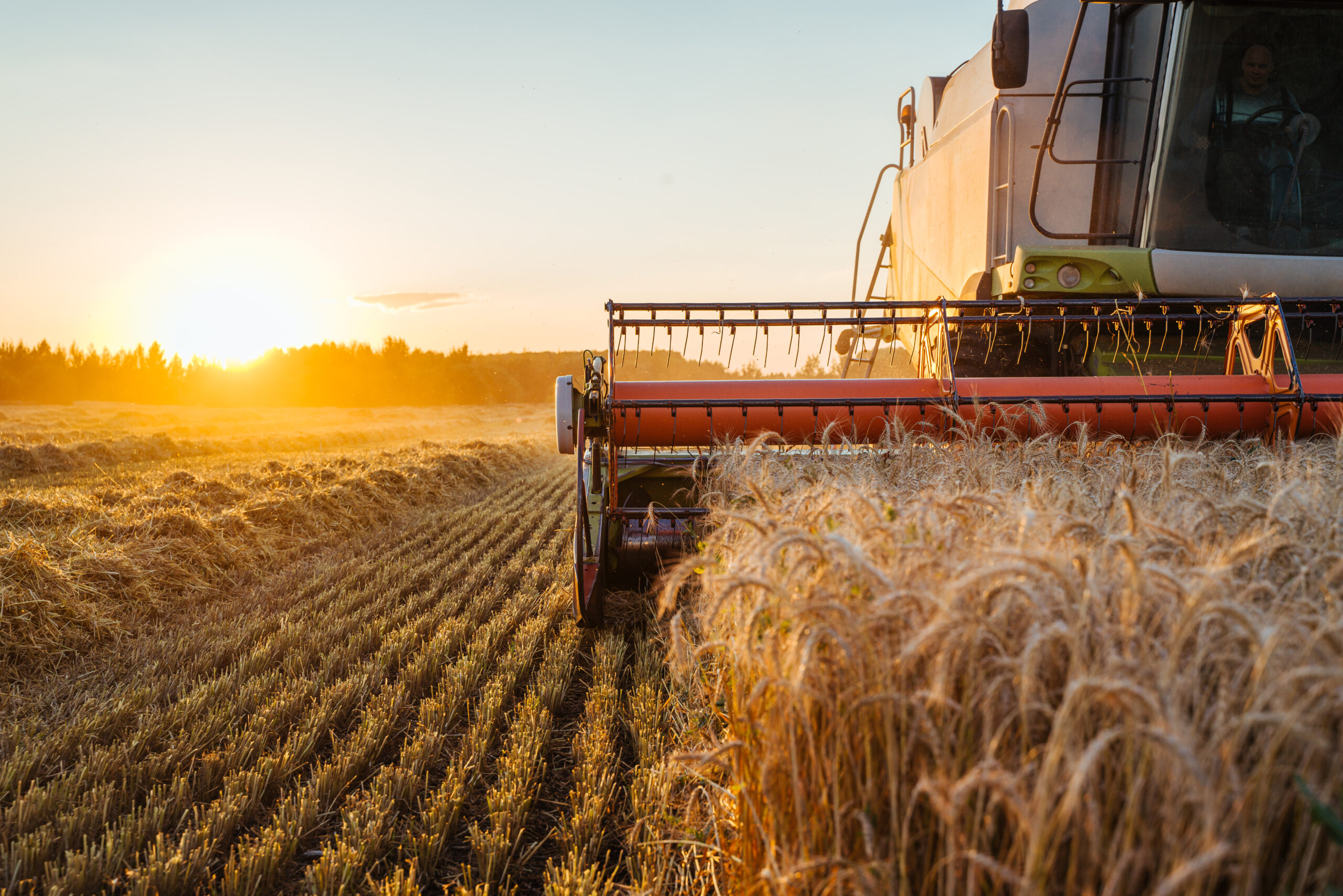
Most of Australia’s winter grains are harvested between the end of September and the start of January meaning we are in the middle of a huge logistical exercise that not only feeds the nation but contributes to our export effort.
In Queensland, WA, New South Wales, Victoria and South Australia, 23 million of hectares of wheat, barley, oats and triticale is being harvested. This task is made possible by fleets of harvesting, loading and transportation equipment many of which will work non-stop for weeks during these harvests.
A single Class 10 harvester costs over $1 million and it takes around 6.5 litres of diesel to capture and deliver 1 tonne of grain to the receiver station. By the end of the winter grain harvest there’ll be about 60 million tonnes of various grains ready for sale, so the fuel bill is enormous.
What is interesting about the winter grains harvest – and a lesson for the entire economy – is the extent to which the high-value operation is reliant on relatively low -value equipment maintenance which includes the regular topping up of grease, lubricant and fluids.
A machine such as the John Deere X9 1100 represents a significant capital investment and operates under enormous pressure during harvest. Its maintenance regime includes daily and operating-hour-based inspections, lubrication and servicing. That discipline matters. When the harvest window is tight, preventative maintenance and correct lubrication protect uptime, reduce the risk of premature component failure and help ensure the machine delivers the productivity its owner paid for.
The biggest benefit in sticking with maintenance cycles is you get longevity from your expensive machines and you’re less likely to cause damage that might cost hundreds of thousands of dollars in repairs and lost income. This is also the case for mining, construction and transportation: if you’re servicing the equipment, you’re probably avoiding a costly land mine.
According to the Grains Research & Development Corporation’s Machinery Investment and Replacement for Australian Grain Growers (2022) grain growers spend around the same amount on their machinery maintenance each year ($132,816 average) as they do on labour ($134,644). They spend much less on contractors ($48,246) meaning they tend to own or lease their machinery. And with ownership comes the full responsibility of servicing.
We know from experience that when other financial variables are working against the grower or the contractor – for instance elevated diesel costs and high interest rates – they cut back on the cost they can’t see. Those costs are often the greases and other lubricants.
This is a mistake. Diesel and labour might power the harvest, but the greases and lubricants ensure it doesn’t grind to a halt. The old, slow farm machinery that needed the odd grease-gun to keep it running, is no more. Modern ag machinery is high-tech and works at higher speeds, greater loads, longer shifts and more RPMs than ever before.
In fact, a growing business for Harrison Manufacturing is formulating greases and lubricants for specific and different tasks on the single equipment unit.
Machinery is becoming more sophisticated and larger than in the past. The ‘fronts’ on the largest commercial harvesting machines – that is, the blade systems that cut and collect the grain plants – are 15.2 metres long. In Western Australia they make a special 18.3-metre-long front for the broadacre harvest season.
These fronts operate under power and their various components spin and collect for 10 -14 hours at a time, developing great heat from their bearings (the WA government bans harvesting on very hot days because the heat of the equipment can start fires.) Add to this dust, vibration and weight and you have a recipe for disaster if operators elect to extend their maintenance cycles to ensure they have the budget for diesel and labour.
The University of Minnesota points out that when an agricultural machine is new, the capital costs are high but the maintenance costs are low. Then, the maintenance costs rise as the machine ages and this brings with it risk of a major breakdown, and the ‘Cost of failure’ which is not just the repair bill but also lost yield, rush repair fees, and potential weather damage from being delayed.
As the machine ages it is critical that owners stay up to date with all the servicing schedules, including greases, lubricants and fluids. This can make the difference during harvest.
In our own factory, our forklifts are on fully serviced leases so they are maintained by the leasing company: we can’t afford to have downtime in our materials-handling. We also regularly clean and service our major plant and vessels, an expensive and time-consuming exercise. However, the cost of downtime from equipment failure is something our business cannot sustain.
Miners know this too: the US Mines Safety and Health Administration warns mine operators to adhere to all grease, lubricant and fluid schedules not only for uptime and performance, but safety.
That brings me to the most important point: safety. In the mining sector the maintenance crews are prone to high rates of accident and injury. The same risks are evident in the servicing crews for harvest machinery. There’re so many things for them to think about – from hot surfaces and lock-pins, to safety brakes and power kill switches – that when the servicing people are under time pressure, mistakes are made.
The winter grains harvest will run through into January and I urge our hard-working farmers to keep the machinery rolling, the servicing on-schedule and the workers safe.
Julie Harrison is the CEO of Harrison Manufacturing Company