Trump’s Diesel-Deal with Putin a Reminder: Australia’s Reserve Essential.
A dragline can have a full tank of diesel and still be parked. If the grease for its swing bearing or the oil for its hydraulics isn’t there, it isn’t going anywhere. The Government is proposing a strategic reserve of one billion litres of diesel and jet fuel, an extra 10 days of minimum stockholdings,…
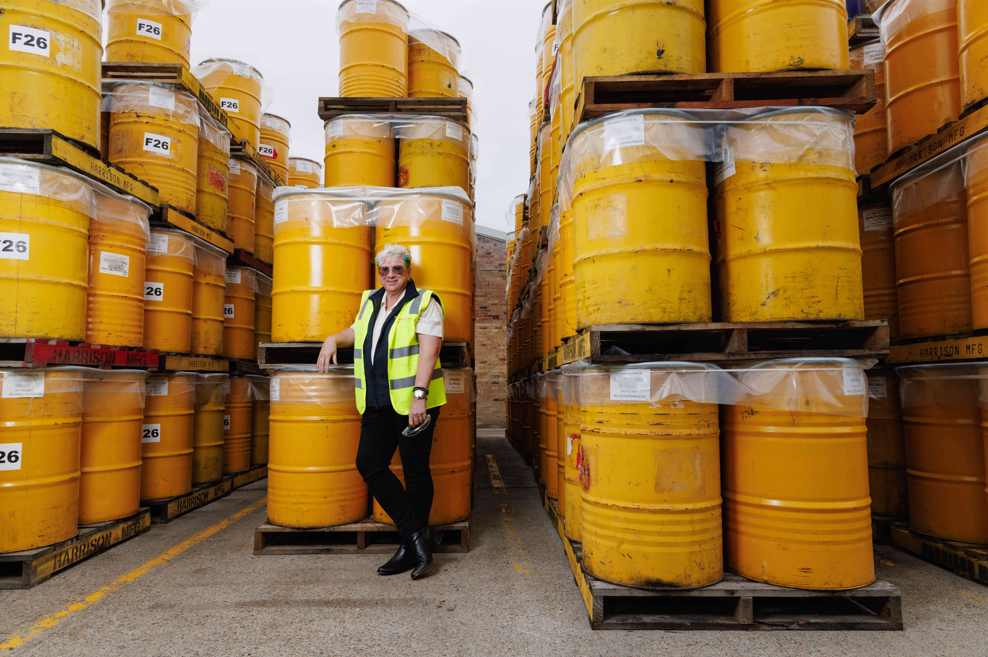
A dragline can have a full tank of diesel and still be parked. If the grease for its swing bearing or the oil for its hydraulics isn’t there, it isn’t going anywhere.
The Government is proposing a strategic reserve of one billion litres of diesel and jet fuel, an extra 10 days of minimum stockholdings, and support to keep our two refineries running beyond 2030. This follows from the Hormuz crisis, which exposed the thinness of Australia’s fuel stocks.
The Government conducted a consultation on these measures, which closed on 15 September. The department says the submissions will inform the final policy settings and legislative design.
The fuel security announcements are sensible measures. But they are about keeping fuel available, and that is not the same as keeping a mine, a farm, or a freight fleet running.
Our Suggestion
The Government should test resilience from the other end: start with what Australia must keep running through a long disruption and ask what would stop each of those things. Initiate a Critical Petroleum Dependencies Assessment, which maps national essential functions and plans for the fuel and input needs.
That’s the case Harrison Manufacturing Company (HMC) suggested in its submission, and I think it applies well beyond the product we make, grease.
What stops the machine first?
The answer isn’t always fuel. HMC makes the greases that go into the bearings, pins, and bushings of draglines, haul trucks, and other heavy plant. They depend on imported raw materials, predominantly base oil, and most of the base oil comes from refineries in Asia and the Middle East.
The same is true of a header at harvest, a port crane, a generator, or a Defence platform.
HMC is one test case. Any manufacturer that formulates from imported petroleum-derived inputs should be asking the same question about its own supply.
We’ve seen this before
In 2021, a global urea shortage threatened Australia’s supply of AdBlue, without which many modern diesel trucks cannot run. In December that year, Canberra set up a taskforce to secure supply. AdBlue isn’t a fuel, but it became a priority only when trucks were at risk of stopping.
What should happen next
Government should commission a Critical Petroleum Dependencies Assessment. Start with the functions Australia must keep running through a prolonged disruption. Map the petroleum-derived products and industrial capabilities each one needs. Then test whether any material dependency falls outside the proposed framework, before that framework is finalised.
The Productivity Commission’s 2021 Vulnerable Supply Chains study already tests imports against how essential their uses are and how easily they can be substituted, 5] and the Government has now set out how much fuel Australia should hold. It should do the same for the other petroleum products industry cannot operate without.
In our submission we also recommended that base oils be included alongside fuels in the reserve and stockholding frameworks, and that Government should plan how industrial lubricants would be allocated in an emergency. But the assessment should come first. It should decide what is stored and where.
Shouldn’t industry manage this?
The obvious response is that base oil supply is a commercial risk and manufacturers like us should manage it ourselves. We do. But no single business can map the whole country’s dependencies, and none can carry enough stock to ride out a disruption measured in months.
Government may have done some of this work already. If it hasn’t, now is the time, before the reserve design is locked in.
If lubricant supply turns out to be commercially manageable, good. Nobody should have to find out in the middle of a shortage.
Julie Harrison, CEO of Harrison Manufacturing Company, Australia’s largest independent grease manufacturer.